- Need Technical Assistance? info@woundscanada.ca

We're delighted to invite you to our national hybrid conference to commemorate over three decades of excellence in wound care. Join us in person in Niagara Falls, Ontario for a truly memorable experience of cutting-edge education and exceptional networking opportunities to meet others who are passionate about wound care.
Virtual attendance is also available in our plenary stream of sessions.
Register today to secure your spot!

Don't miss this extraordinary opportunity to be a part of our National Hybrid Conference taking place from October 22-24, 2026 at Fallsview Casino Resort. It’s a celebration of what we’ve achieved together and a look ahead to the exciting future of wound care education.
Wounds Canada's National Hybrid Conference is the largest wound-related event in Canada, bringing together health-care professionals, educators and key opinion leaders for both in person and virtually. This educational event is designed to support health-care professionals who work with patients with wounds or who are at risk for developing wounds.
Mark the dates of October 22 to 24, 2026, to enhance your educational journey in wound care!
Choose to join us in-person or virtually, offering flexibility to accommodate your preferences and schedule.
Three days of interactive wound care education ensuring you gain diverse and in-depth knowledge.
Discover the latest products and services from top companies in the wound care industry, with both physical and virtual exhibits.
Connect with colleagues, key opinion leaders, and industry experts, both in person and online, to expand your professional network.
be

Click here to download your copy of the agenda.
 10/22/2026 08:00
to
10/22/2026 08:00
to
Irmajean Bajnok
RN BScN MScN PhD FCAN FAAN
Mariam Botros
DCh DE IIWCC MEd, CEO Wounds Canada

Muhammad Mamdani
PharmD, MA, MPH
Moderator: Gregg Brown
MSc PMP CTDP
Learning Objectives
10/22/2026 09:15
to
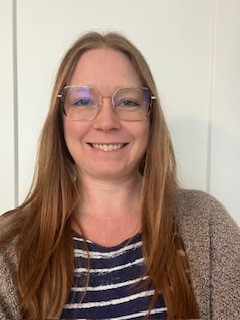
Josh Gohl
BScN RN NSWOC / WOCC
Paddy Markey
MSc, Forensic Science. King's College London
Moderator: Erin Meger
BSN RN NSWOC WOCC(C)
This session will review current pressure injury prevention guidelines, including recommendations from Wounds Canada and the National Pressure Injury Advisory Panel (NPIAP). Participants will be introduced to the design, implementation, and outcomes of Biatain® Silicone Fit (BSF) evaluations conducted for both pressure injury prevention and treatment. The discussion will also explore global trends in nursing and wound care, highlighting how Biatain® Silicone Fit (BSF) can support evolving clinical and patient care needs. Key features and benefits of Biatain® Silicone Fit (BSF) will be reviewed, followed by clinical case studies demonstrating its application in wound treatment. The session will conclude with practical considerations and strategies for successfully integrating Biatain® Silicone Fit (BSF) into clinical practice.
10/22/2026 10:25
to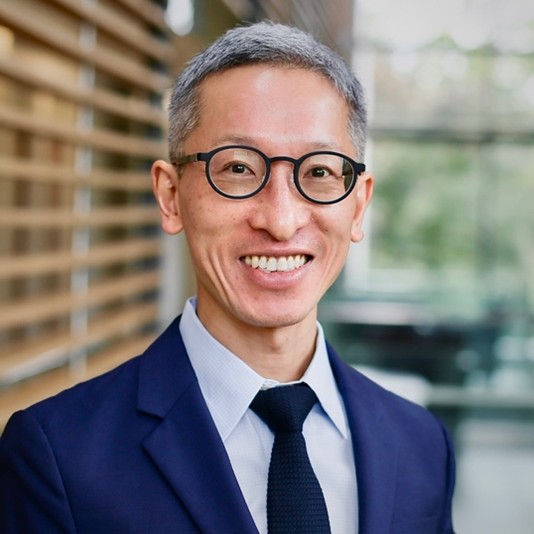
Kevin Woo
PhD RN NSWOC WOCC(C) FAPWCA
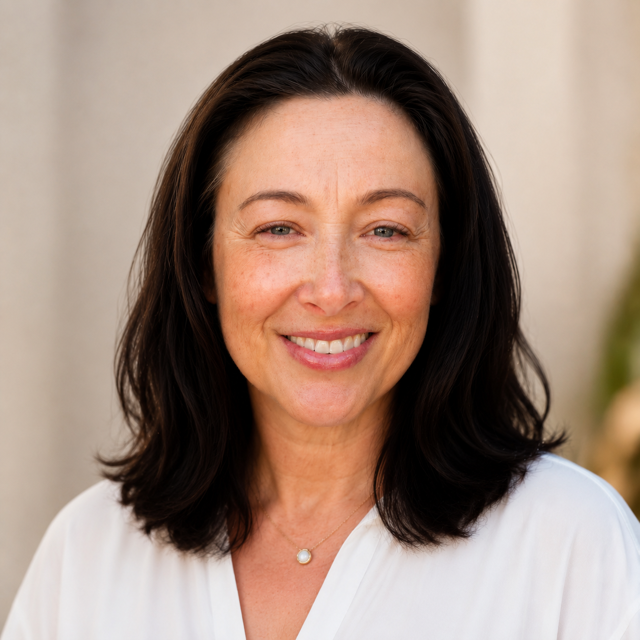
Moderator: Perla Sandau
BN
As antimicrobial resistance continues to grow, effective stewardship is everyone's responsibility. This session will examine evolving antimicrobial stewardship guidelines and provide practical approaches to making informed wound care decisions that support healing while promoting responsible antimicrobial use.
Session Objectives:
• Review key antimicrobial stewardship principles and emerging guidance relevant to wound care practice.
• Evaluate an evidence-informed framework for selecting and using antimicrobial interventions appropriately and safely.
• Review real-world case studies that support safe, effective treatment decisions through antimicrobial stewardship principles
10/22/2026 11:35
to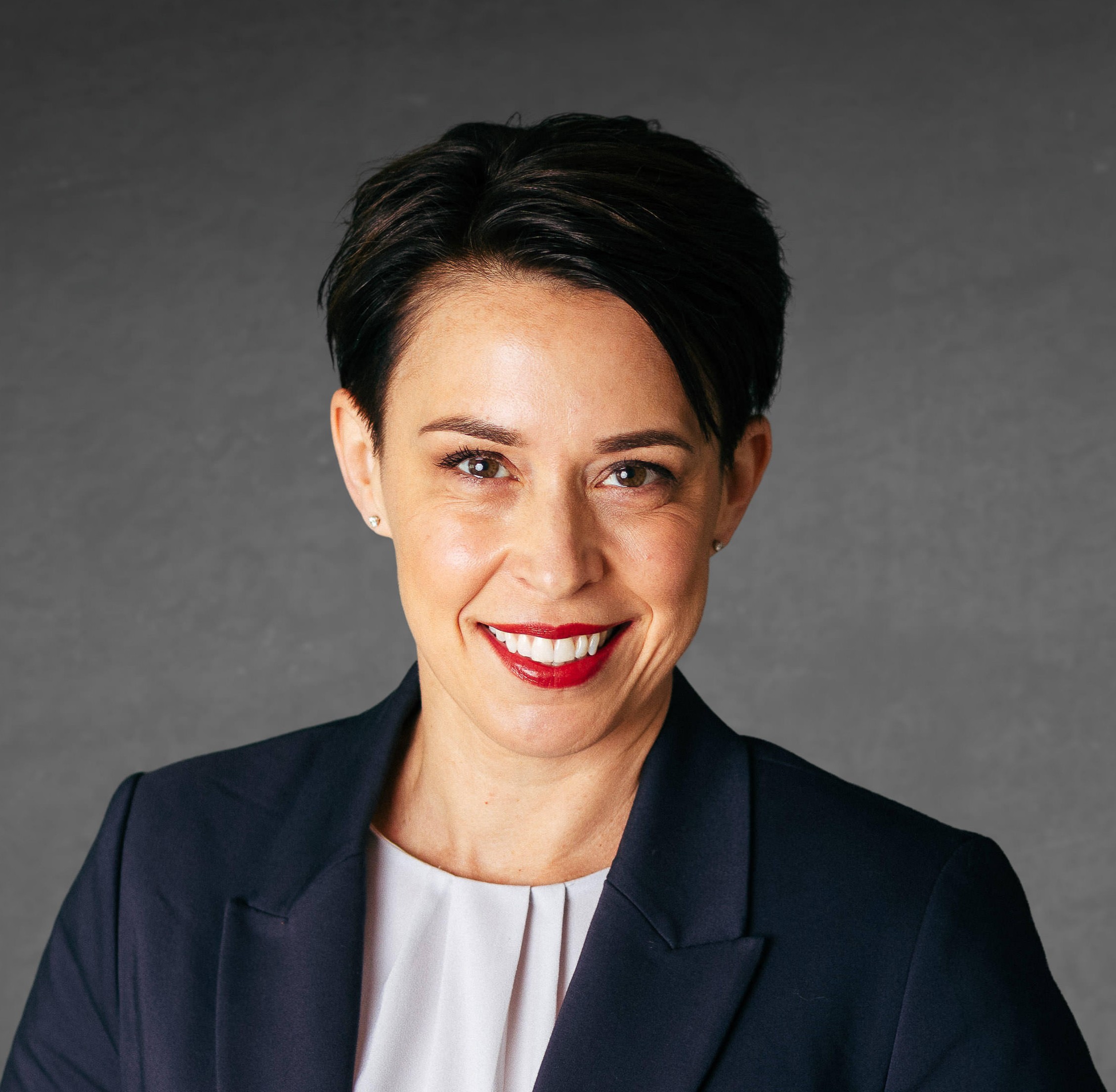
Nathalie Boudreau
RN DBA PMP CHE
John Hwang
MD MSc FRCSC
Moderator: Irmajean Bajnok
RN BScN MScN PhD FCAN FAAN
Learning Objectives
10/22/2026 12:30
to10/22/2026 13:00
to
Michele Labbie
RN MN NP
Karen Laforet
MClSc-WH RN NSWOC WOCC(C) CCHN(C) VA-BC CVAA(c)
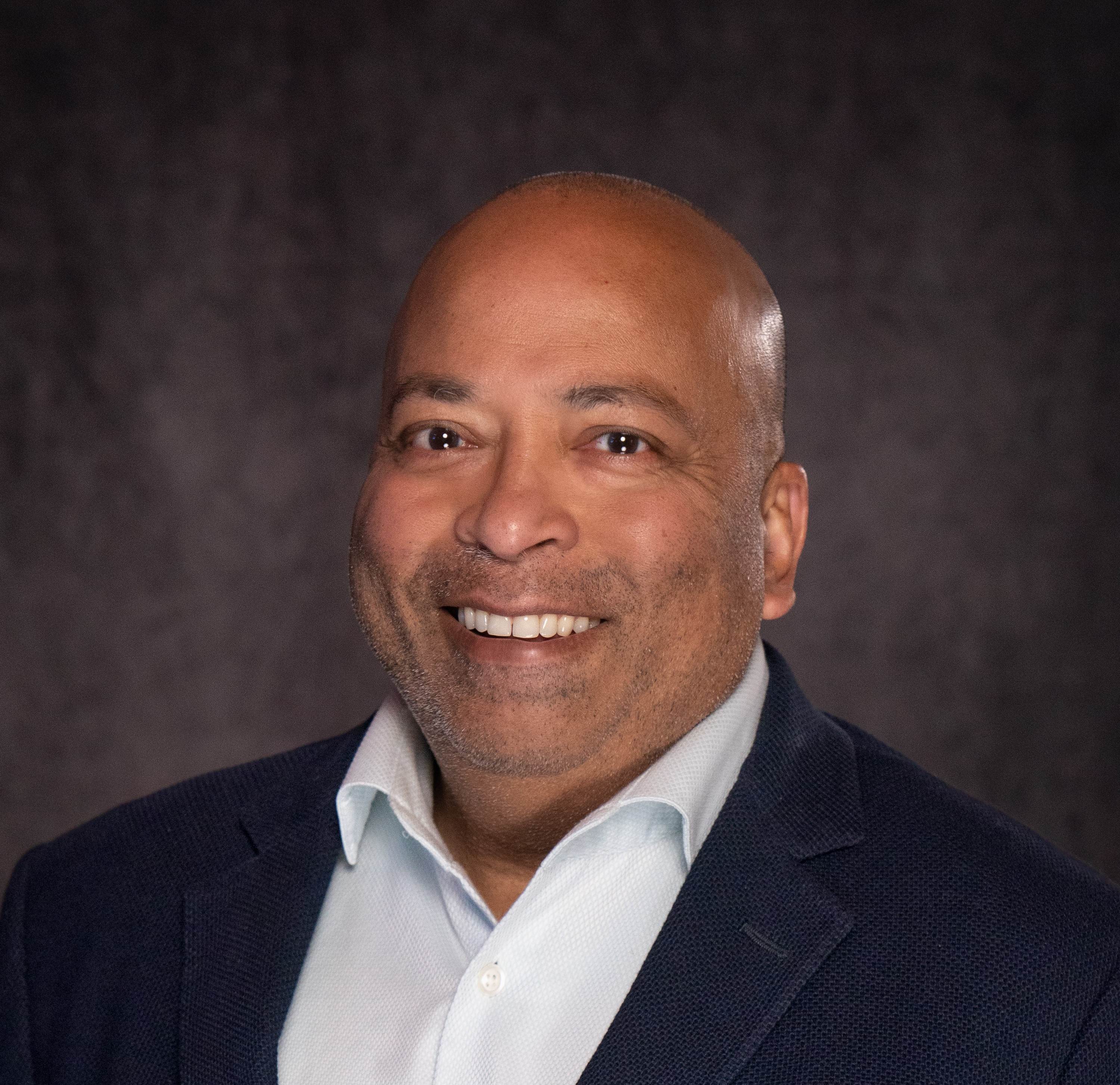
Moderator: Debashish Chakravarthy
PhD
Slough and bioburden are primary barriers to wound healing, yet 75% of wounds in Canada do not receive the guideline-recommended frequency of debridement. This session introduces "integral debridement" - the combined use of different but complementary debridement methods on the same wound, as recommended in the 2024 International Consensus Document. Participants will explore how oxidative debridement (Vashe cleansers and gels) weakens slough structure, and how negatively charged fibre dressings provide continuous debridement between visits so debridement does not pause after sharp debridement. Supporting in-vitro, clinical trial and observational data are presented, followed by clinical case studies. By the end of the session, participants will be able to: recognize how slough and bioburden delay wound healing; discuss the importance of timely, effective debridement strategies; define integral, oxidative and continuous debridement; and integrate advanced debridement strategies into clinical practice.
10/22/2026 14:10
to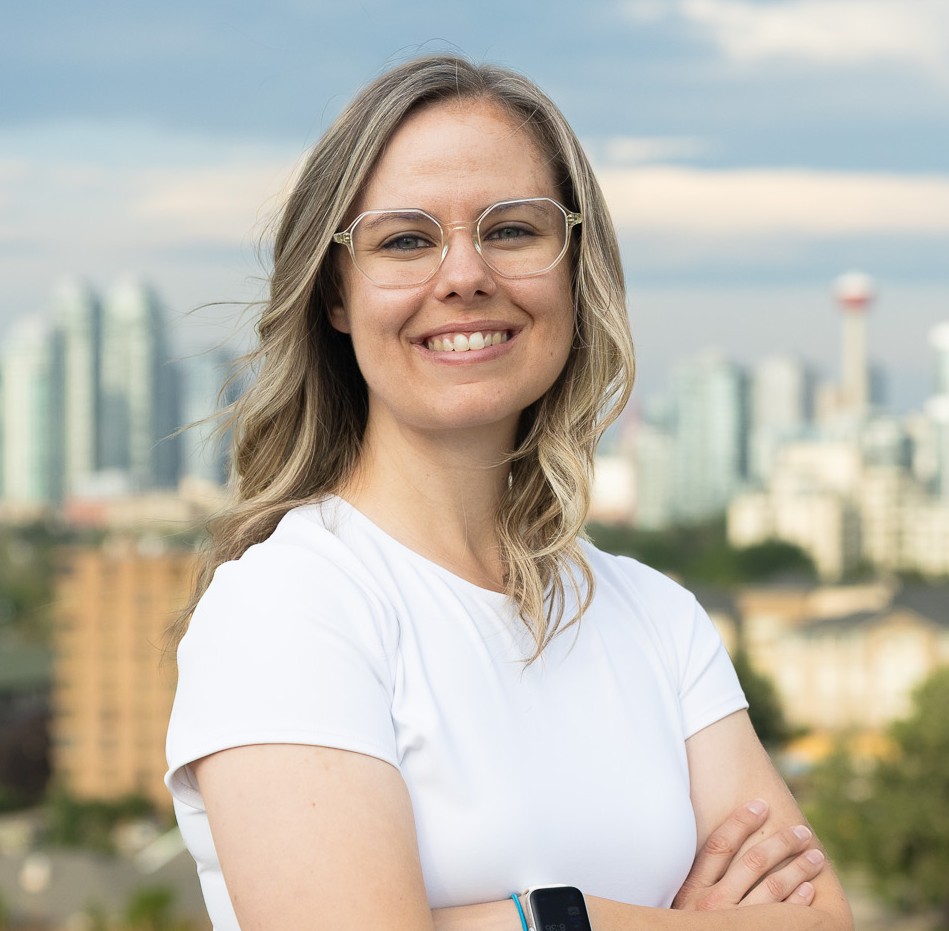
Megan Leslie
NanoTess, Co-Founder and CEO

Eric Fung
MD FRCSC
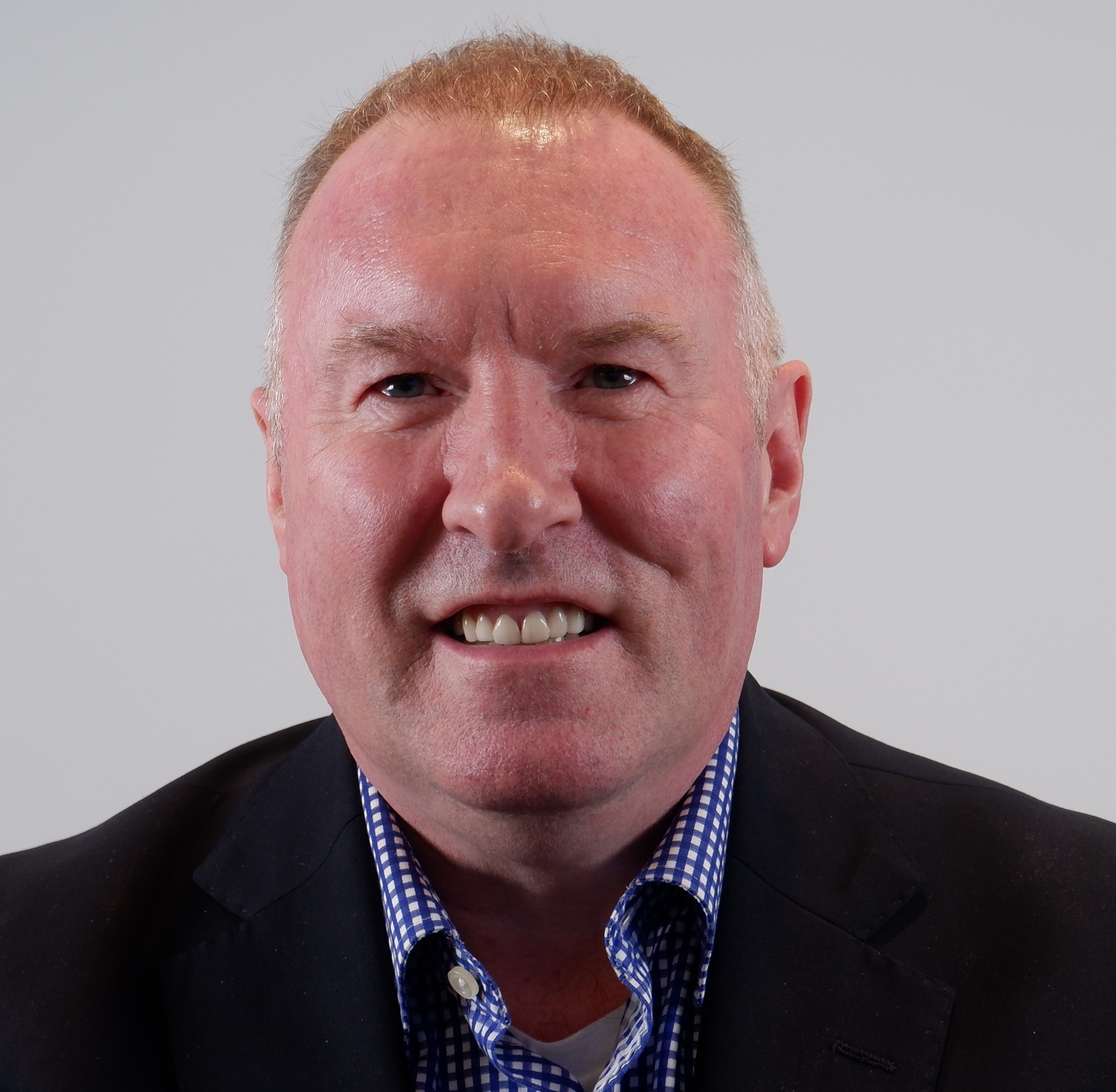
Moderator: Douglas Queen
BSc PhD MBA
Innovation doesn’t happen overnight and neither does the evidence needed to change clinical practice. After years of research, real-world healing, and collaboration with clinicians, we’re ready to go deeper into the NanoSALV Catalytic story.
This session will take you beneath the surface: exploring NanoSALV Catalytic’s mechanism of action and why NanoSALV-treated wounds are healing faster within holistic standard-of-care practice; examining complex clinical cases; and sharing a new multidisciplinary consensus statement designed to help clinicians understand when and how NanoSALV can be integrated into practice. We’ll close by turning the spotlight across Canada, highlighting clinicians and health systems translating evidence into action through local evaluations and implementation projects.
10/22/2026 14:35
to10/22/2026 15:00
to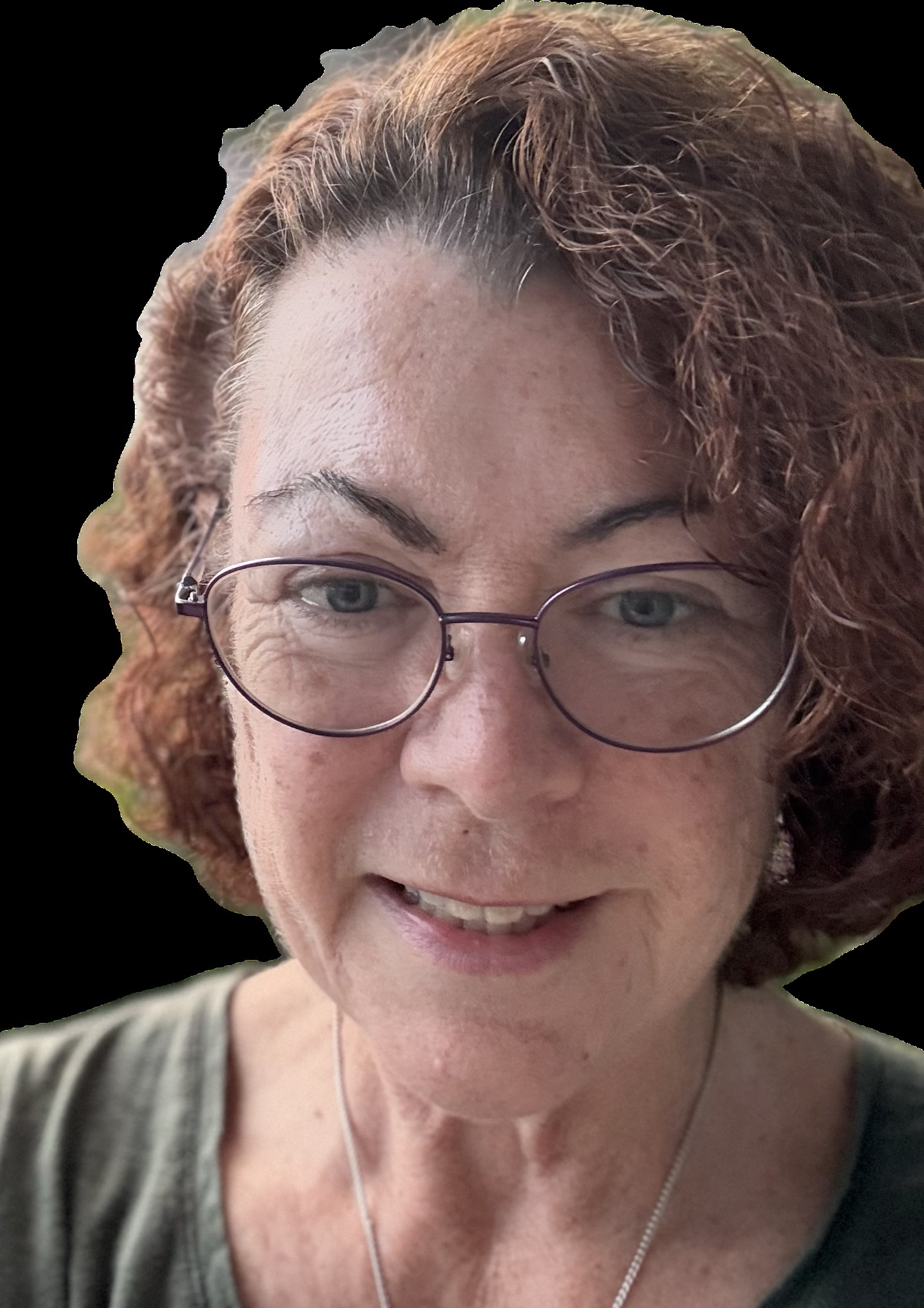
Janet Daglish
MBA BA C.Dir
Robyn Evans
BSc MD CCFP FCFP
Michele Labbie
RN MN NP
R. Gary Sibbald
MD., M.Ed., D.SC (Hon), FRCPC (Med (Derm), FAAD, MAPWCA, JM
Moderator: Michael Stacey
MBBS Doctor of Surgery FRACS
Keith Harding
CBE FRCGP FRCP FRCS FLSW
With increasing access to the geko device, this session will support wound care clinicians with the implementation of geko into their clinical practices for treatment of leg ulcers.
The key points are:
• Understanding evidence and a logic model.
• Evidence for improving circulation with geko.
• Evidence for improving wound healing with geko.
• Evidence for cost-effectiveness with geko.
• Principles for implementation of geko into practice
10/22/2026 16:00
to10/22/2026 18:00
to
Deirdre Drombolis-O'Sullivan
BScPT MClSc (Wound Healing)
Lyndsay Orr
PT MClSc-WH PhD
Pamela Houghton
PT PhD
Learning Objectives
10/23/2026 07:30
to
Alicia Smith
PT DPT NCS CLSSGB CWS
Kevin Woo
PhD RN NSWOC WOCC(C) FAPWCA
Moderator: Kimberley Flannery
RN, BN, NSWOC, WOCC(C), MCISc-WH
Learn how advanced foams tackle the key barriers to healing and how to make a confident evidence-based choice.
So next time you reach for a foam dressing, you’ll choose one that delivers.
10/23/2026 08:40
to
Ellen MacKay
RD MSc CDE
Joumana Fawaz
Clinical Nurse Specialist
Nathalie Boudreau
RN DBA PMP CHE
10/23/2026 09:05
to
Joyce Black
PhD RN FAAN CWS
Moderator: Ann Elford
RN, MSN, CHPCN(c
Learning Objectives
10/23/2026 09:50
to
Jeremy Gilbert
MD FRCPC
Moderator: Robyn Evans
BSc, MD, CCFP, FCFP
Learning Objectives
10/23/2026 10:45
to
Paul Bunce
MA MD FRCPC

Moderator: Susie Jin
RPh, CDE, CRE
Learning Objectives
10/23/2026 10:45
to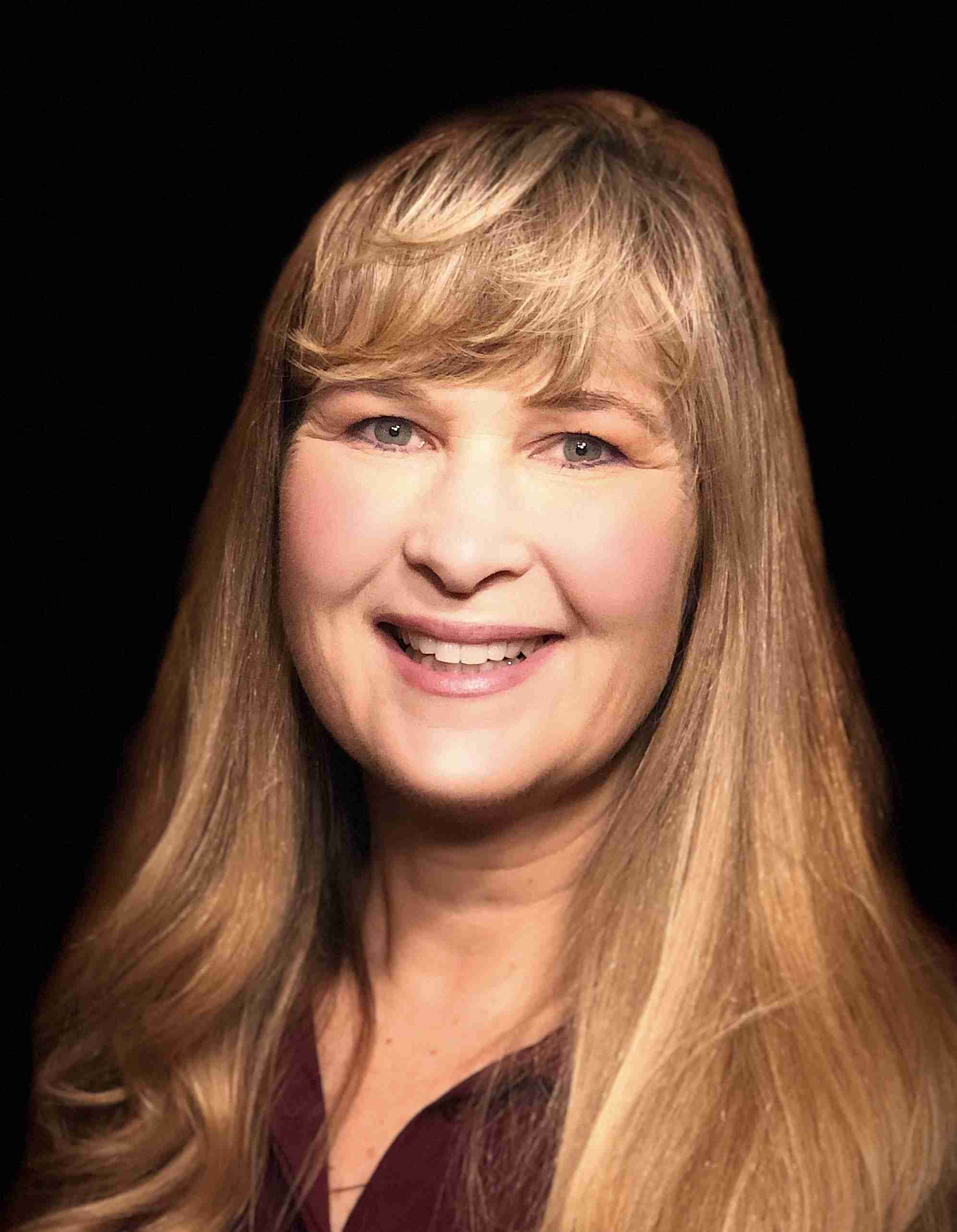
Linda Laakso
MSc CO(c) FCBC AWCCP
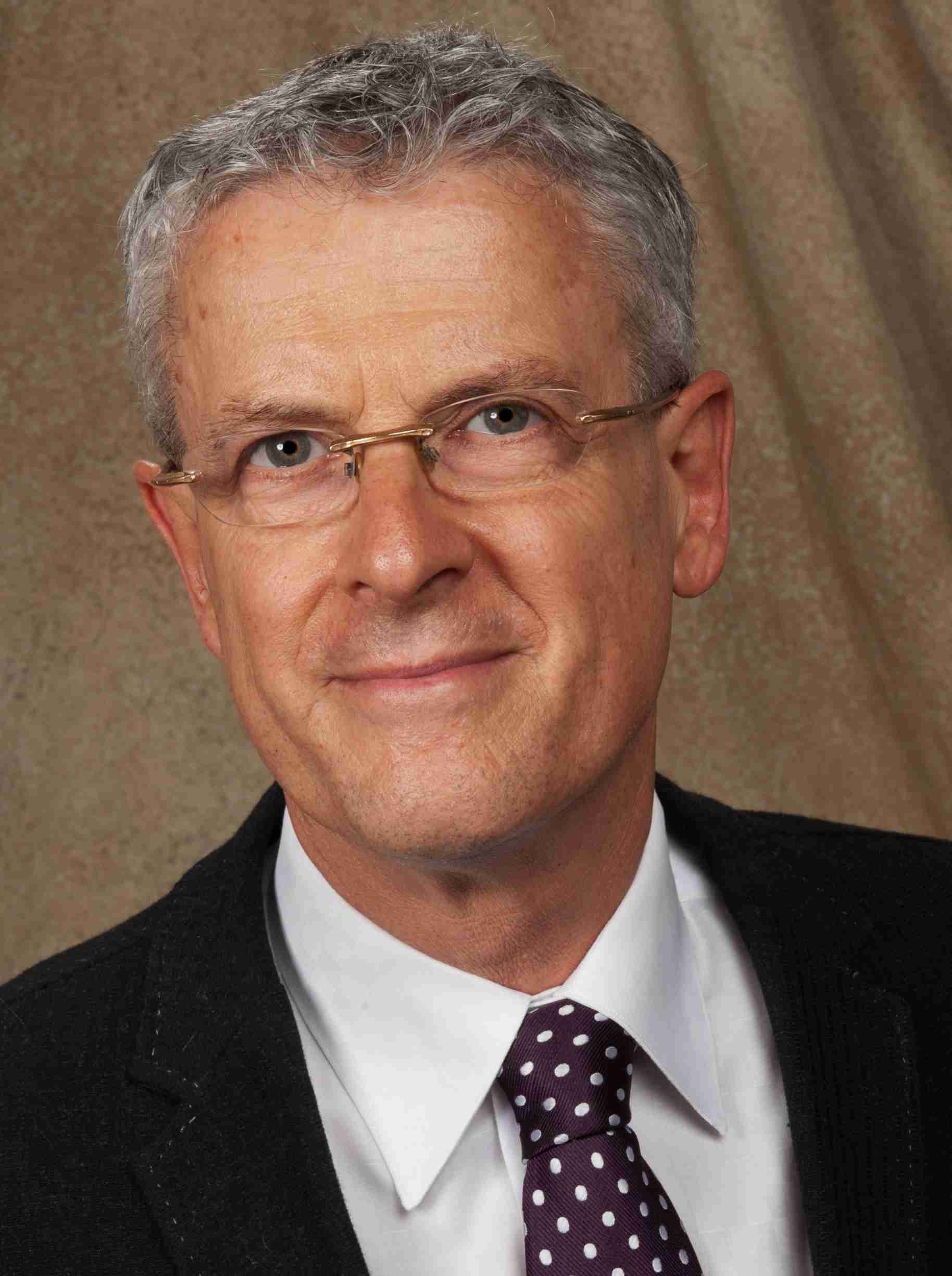
Brian Scharfstein
C. Ped (C)
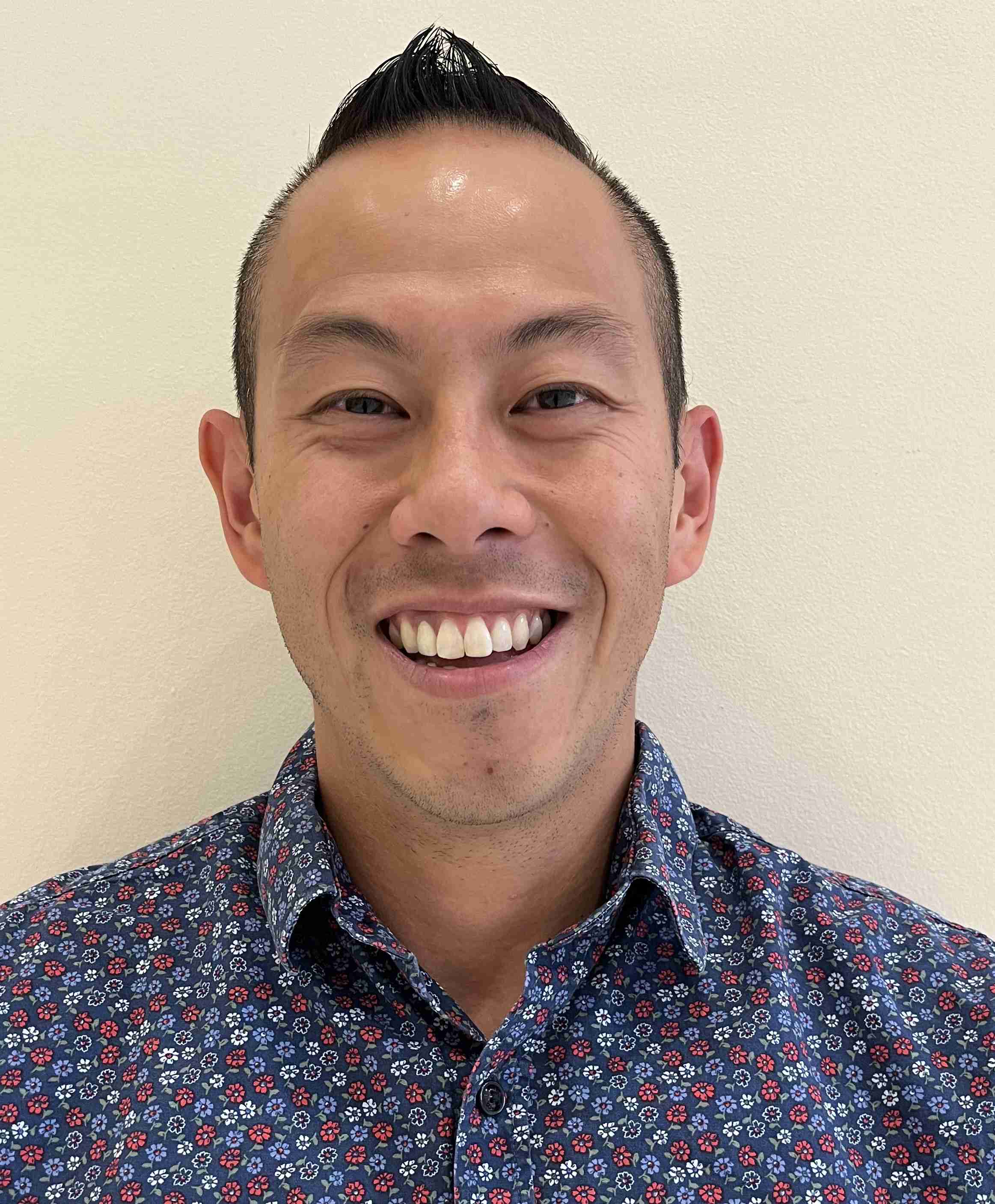
Eliot To
DCh MHA(CC) MClSc-WH
Learning Objectives
- Removable cast walkers
- Therapeutic footwear and custom orthotics
- Felted foam, padding, and shoe modifications
10/23/2026 10:45
to
Sandra Tadros
RPh MSCP FIS PTS HEWL

Rosanra (Rosie) Yoon
PhD MN NP
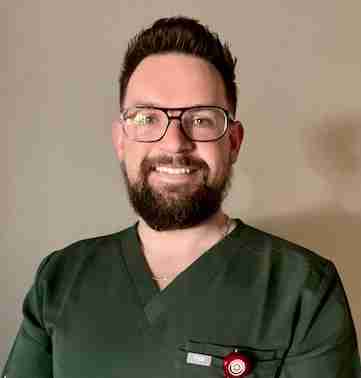
Moderator: Jeremy Caul
RN BScN MClSc-WH WOCC(c)
Learning Objectives
10/23/2026 11:30
to10/23/2026 13:00
to10/23/2026 13:30
to
Chris Murphy
PhD RN WOCC(C)
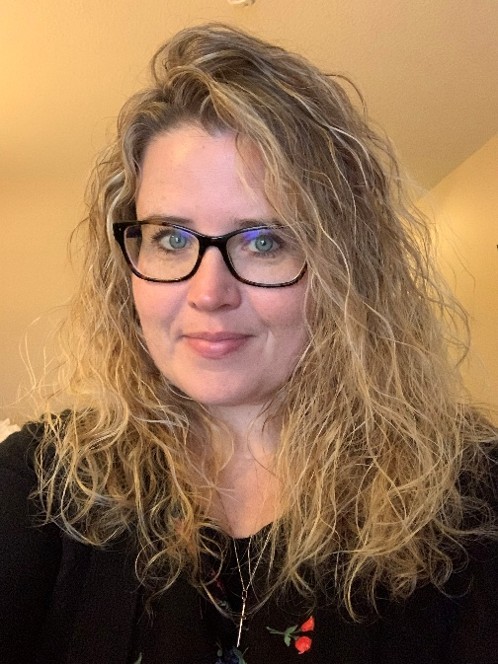
Moderator: Christie Kristo
RN BN NSWOC WOCC(C)
Learning Objectives:
By the end of the session, participants will be able to:
1. Define wound exudate and its role in healing.
2. Differentiate normal versus problematic exudate.
3. Identify factors influencing exudate volume and composition.
4. Link exudate assessment to underlying wound pathology.
5. Select management strategies that address the cause, not just the moisture.
6. Reduce and prevent exudate-related complications such as maceration and peri-wound skin damage.
Exudate is an essential component of wound healing, but when it is poorly understood or inadequately managed, it can become a significant barrier to recovery. This practical, engaging session reviews the recent international consensus document and shares current thinking on wound exudate, helping clinicians look beyond moisture management and use exudate as a meaningful indicator of wound status and healing potential.
Participants will examine the causes and characteristics of exudate, learn how local and systemic factors influence its production, and discover how exudate assessment can provide important clues about inflammation, edema, infection, and overall wound progression. Through clinical examples and evidence-informed discussion, attendees will gain practical strategies to address excessive exudate, prevent complications such as maceration and peri-wound skin damage, and select interventions that target the underlying cause rather than simply containing the symptom.
Whether caring for venous leg ulcers, diabetic foot ulcers, pressure injuries, or other complex wounds, clinicians will leave with a deeper understanding of how effective exudate management can support healing and improve patient quality of life.
10/23/2026 14:40
to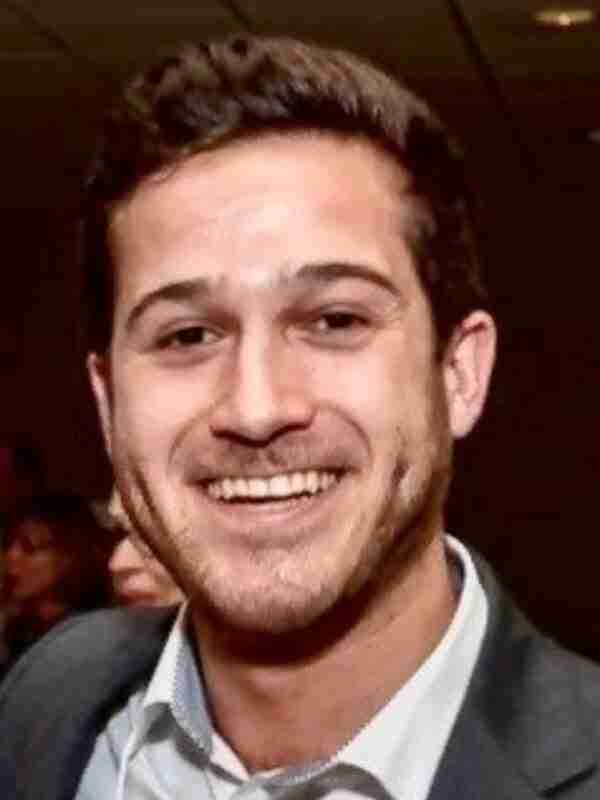
David Croitoru
MSc MD FRCSC DABD
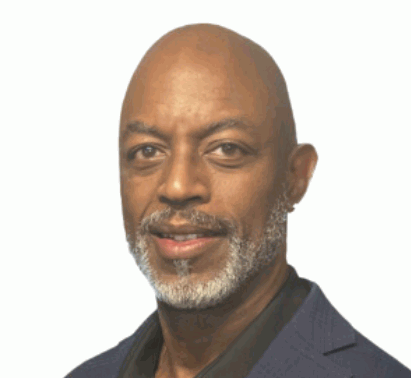
Moderator: Andrew Springer
Learning Objectives
10/23/2026 14:40
to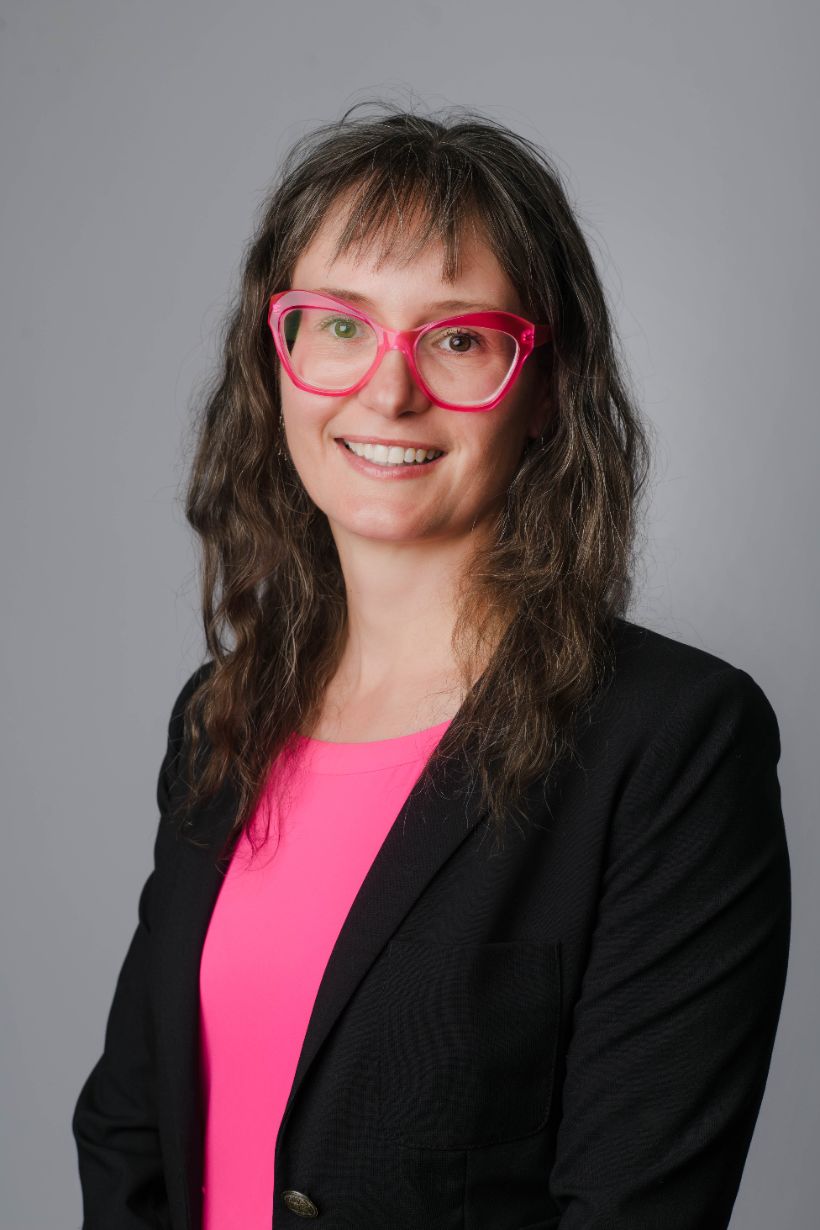
Sarah Rice
RNEC MScN NP
Karen Burton
Moderator: Anne Shantz
RN BScN MClScWH NSWOC
Learning Objectives
10/23/2026 14:40
to
Rob Fraser
MN NSWOC WCC(C) RN
Moderator: Deirdre O'Sullivan-Drombolis
BScPT MClSc (Wound Healing)
Learning Objectives
10/23/2026 15:25
to10/23/2026 15:30
to
Sunita Coelho
BSN RN IIWCC.
Robyn Evans
BSc MD CCFP FCFP

Sheena Fortuna
RN MN NP-PHC
Eliot To
DCh MHA(CC) MClSc-WH
Learning Objectives
10/23/2026 16:30
to
George Harpur
MD CCFP FCFP DMO (CF)
Tara Harpur
NP
Co-Moderator: Anne Shantz
RN BScN MClScWH NSWOC
Moderator: Punkuj Chawla
BSc MD CCFP FCFP IIWCC
Learning Objectives
10/23/2026 16:30
to
Jean LaMantia
RD
Anne Shantz
RN BScN MClScWH NSWOC

Marcia Migay
MD CCFP FCFP IIWC
Allison Luther
BScOT Reg. (Ont.) BKIN MClSc-WH
Learning Objectives
Describe nutrition strategies to help with lymphedema
Identify protein needs for wound healing
Discuss the role of complementary therapies.
10/23/2026 19:30
to10/24/2026 07:30
to
Lindsay Burnett
MN NP CBRN
Marianne Lafleur
BSN RN CWON IIWCC
James Pinto
BScN MN RN NP
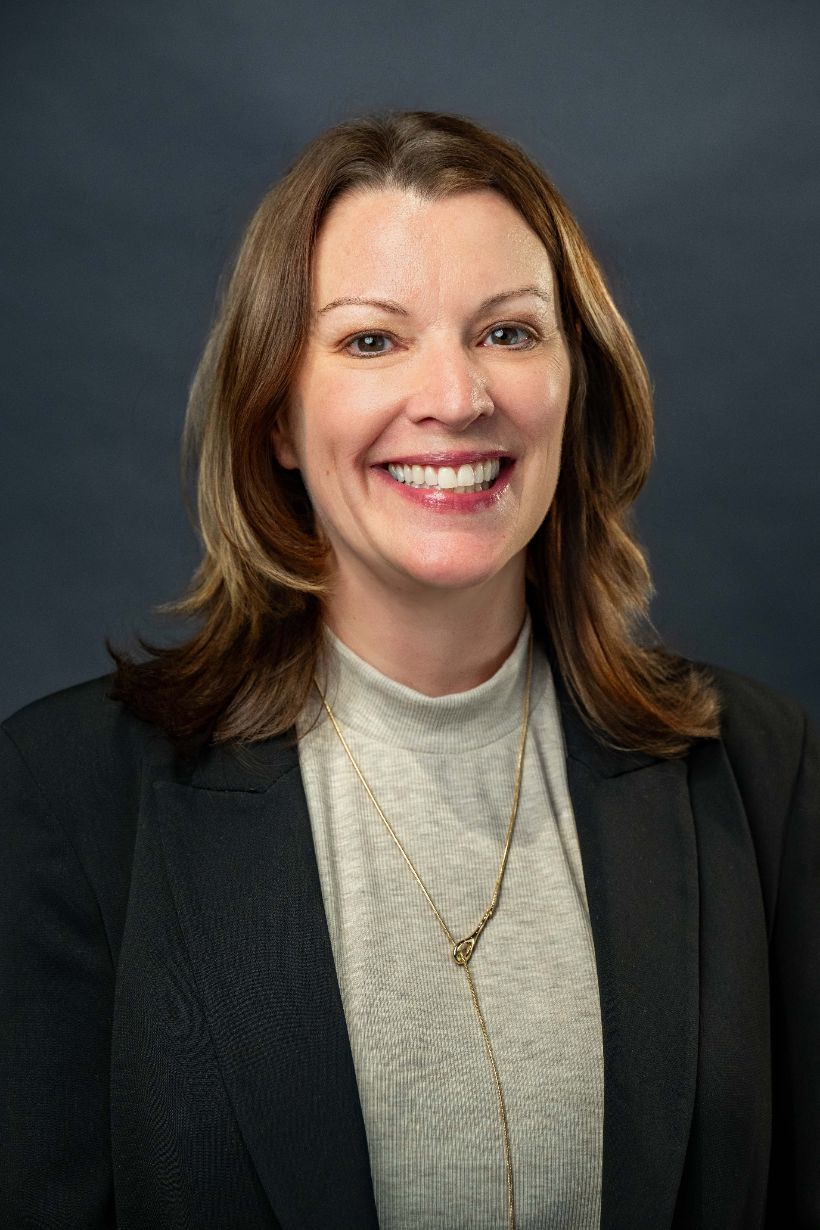
Moderator: Nathalie Gingras
General Manager, Mölnlycke Health Care Canada
Learning Objectives
10/24/2026 08:40
to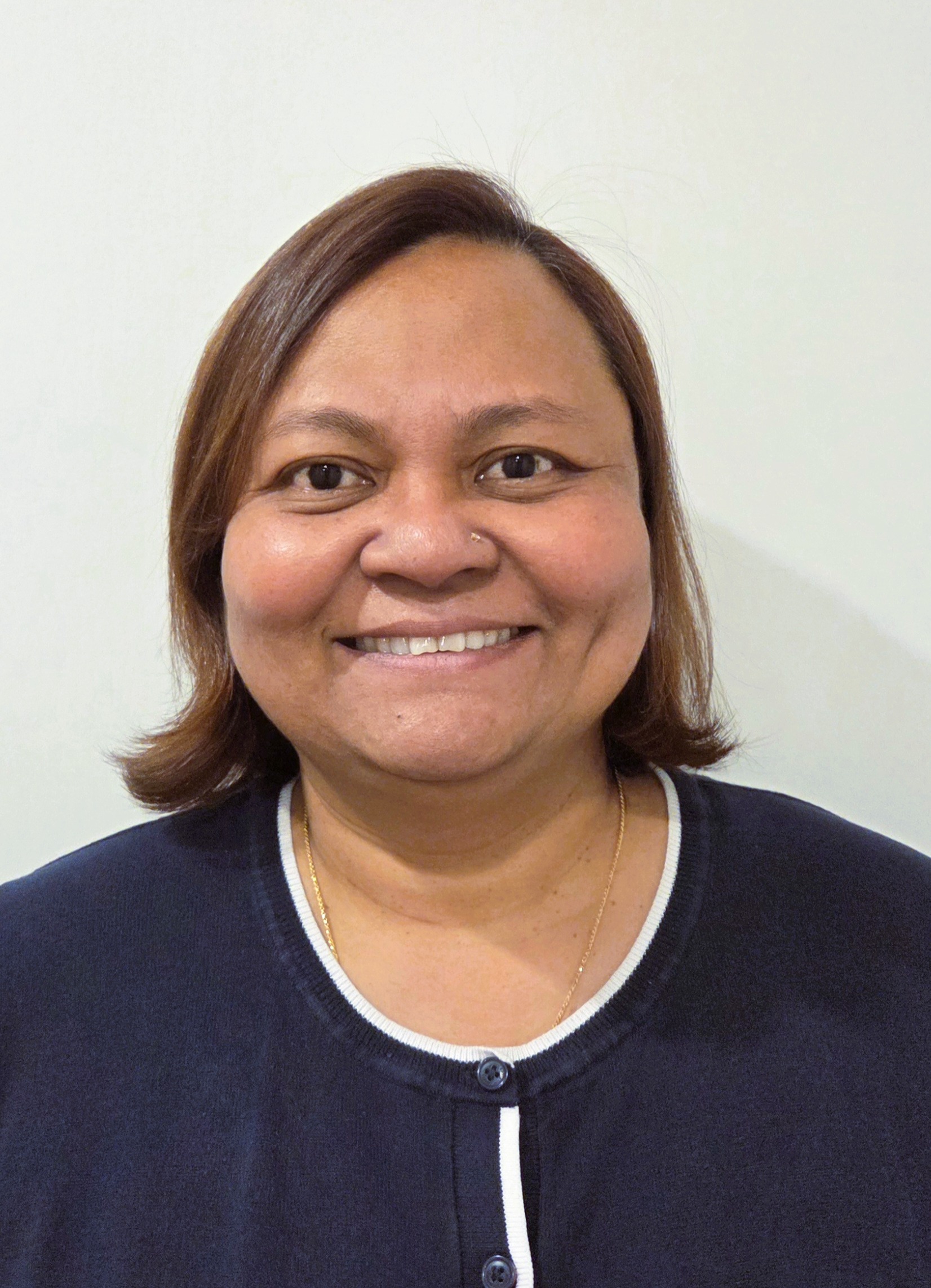
Helen Arputhanathan
MSc BScN RN IIWCC NSWOC WOCC(C)
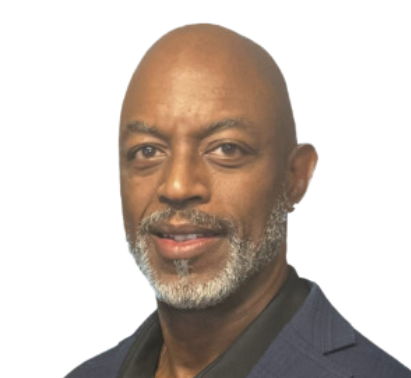
Andrew Springer
Objectives:
10/24/2026 08:45
to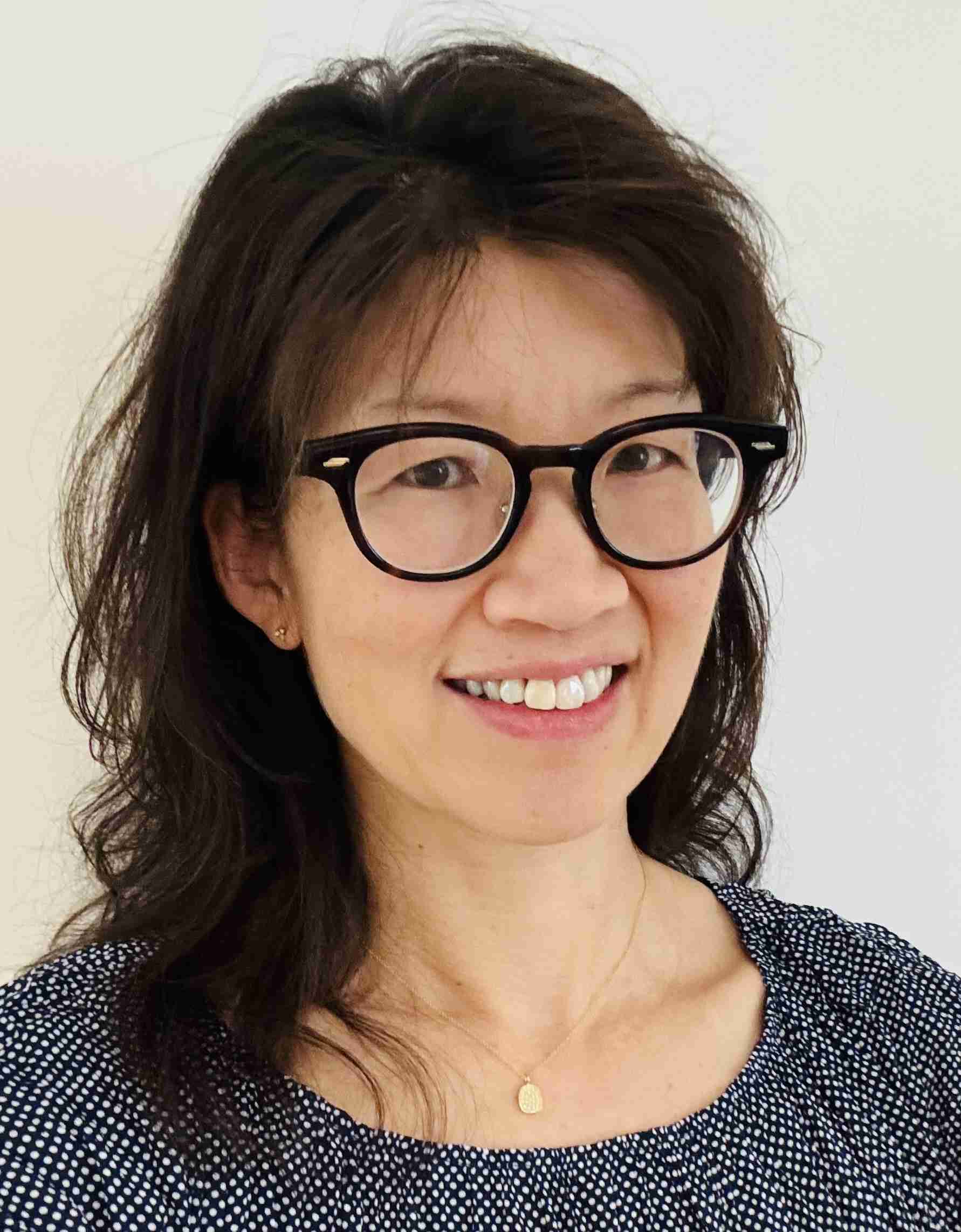
Karen Chien
MD MSc CCFP (PC,COE) FCFP IIWCC
Robyn Evans
BSc MD CCFP FCFP
Sheena Fortuna
RN MN NP-PHC
Learning Objectives
10/24/2026 09:00
to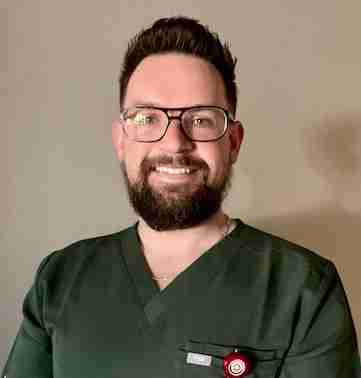
Jeremy Caul
RN, BScN, MClSc-WH, CDE
Deirdre Drombolis-O'Sullivan
BScPT MClSc (Wound Healing)
Moderator: Punkuj Chawla
BSc MD CCFP FCFP IIWCC
Learning Objectives
10/24/2026 09:00
to
Helen Arputhanathan
MSc BScN RN IIWCC NSWOC WOCC(C)
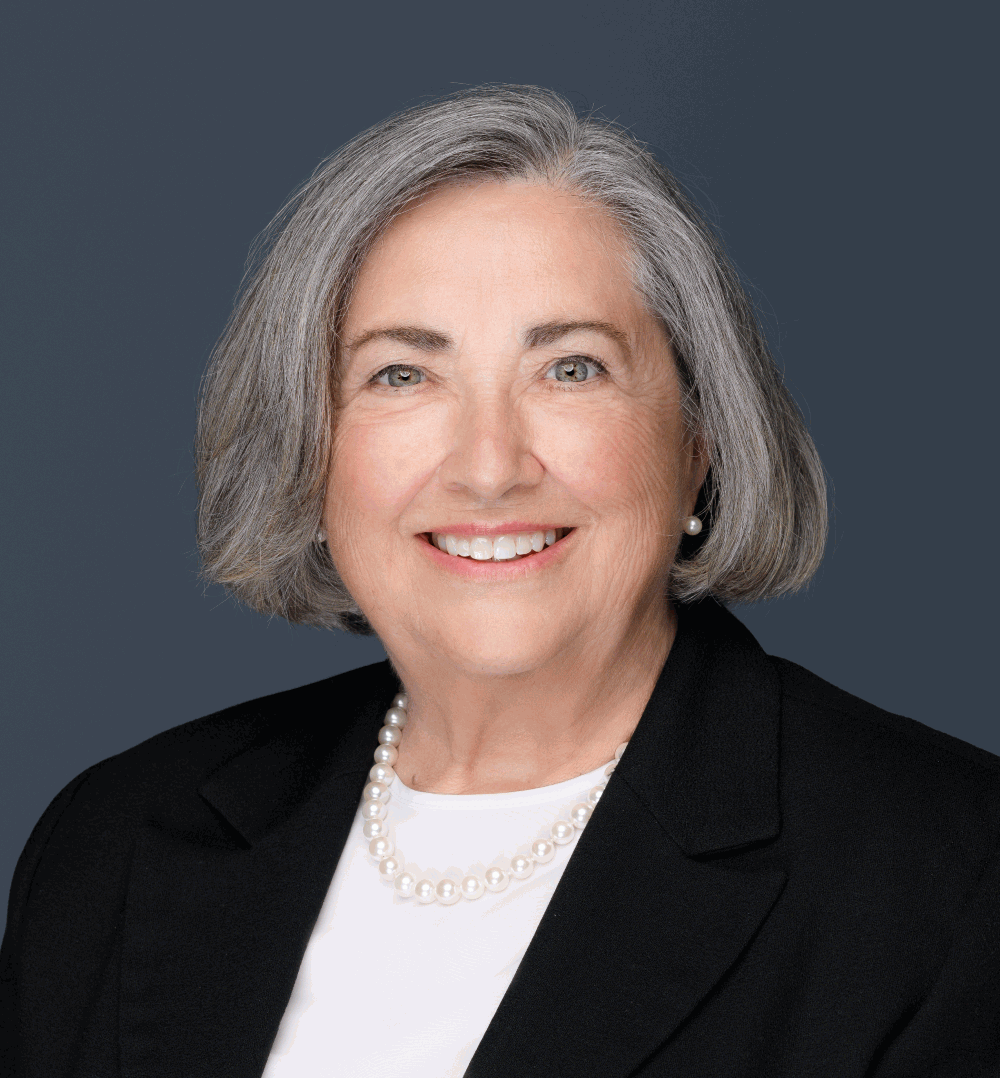
Patricia Coutts
RN IIWCC (CAN)
Joumana Fawaz
Clinical Nurse Specialist
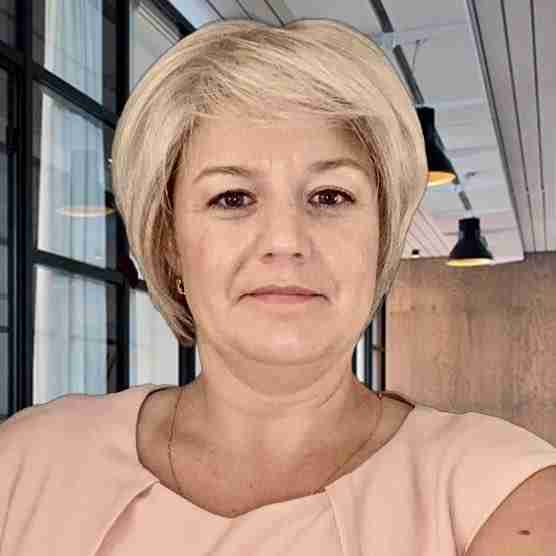
Crystal McCallum
MCISc-WH BScN RN
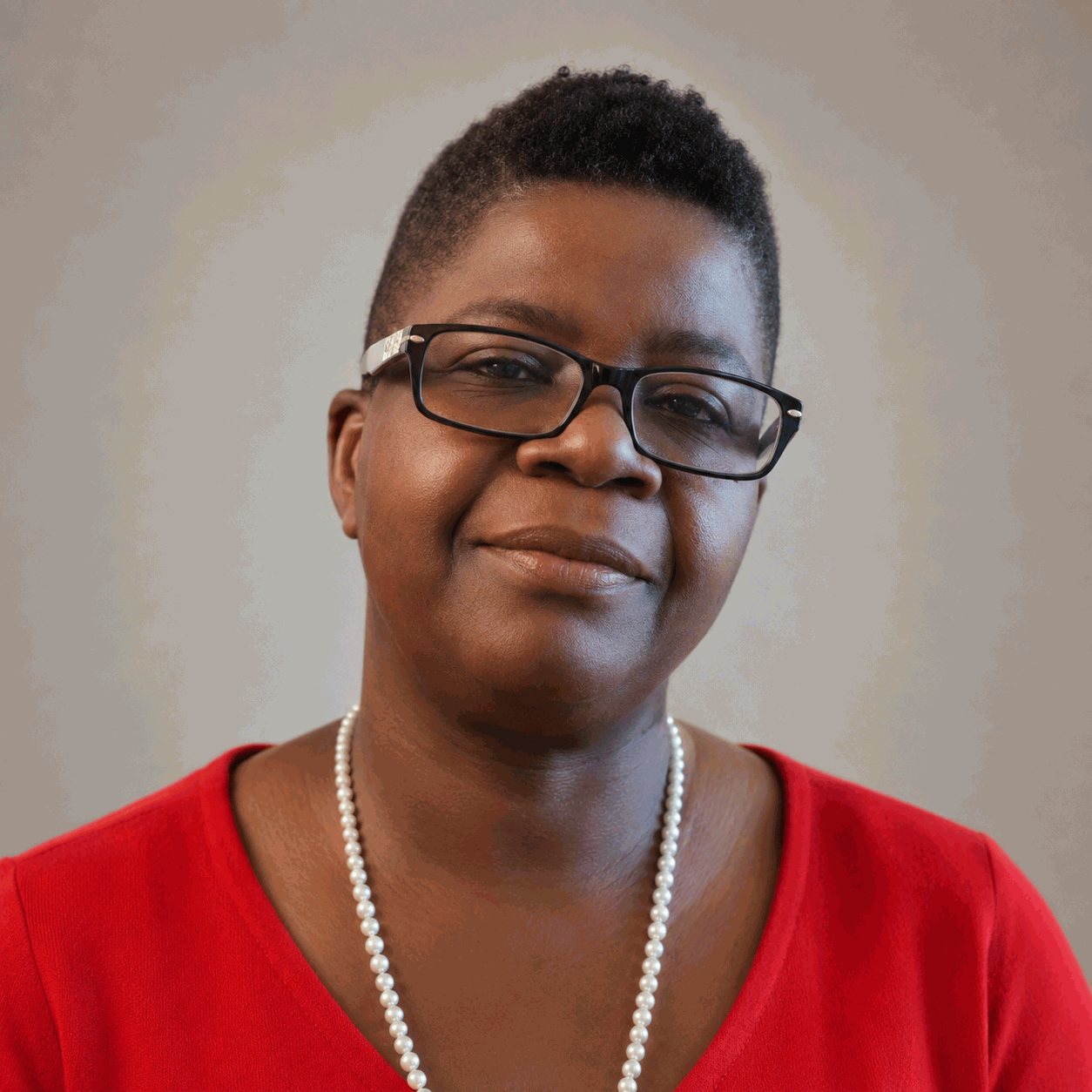
Jackie Savoie
RN
Anne Shantz
RN BScN MClScWH NSWOC
Learning Objectives
10/24/2026 10:00
to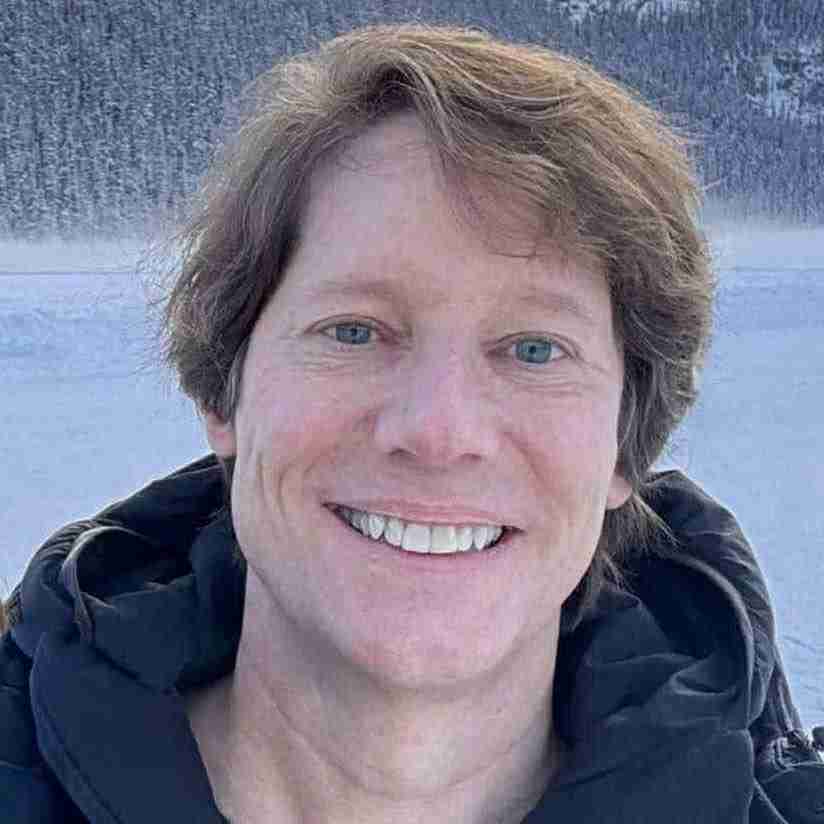
John Coates
BSc MD CCFP FCFP
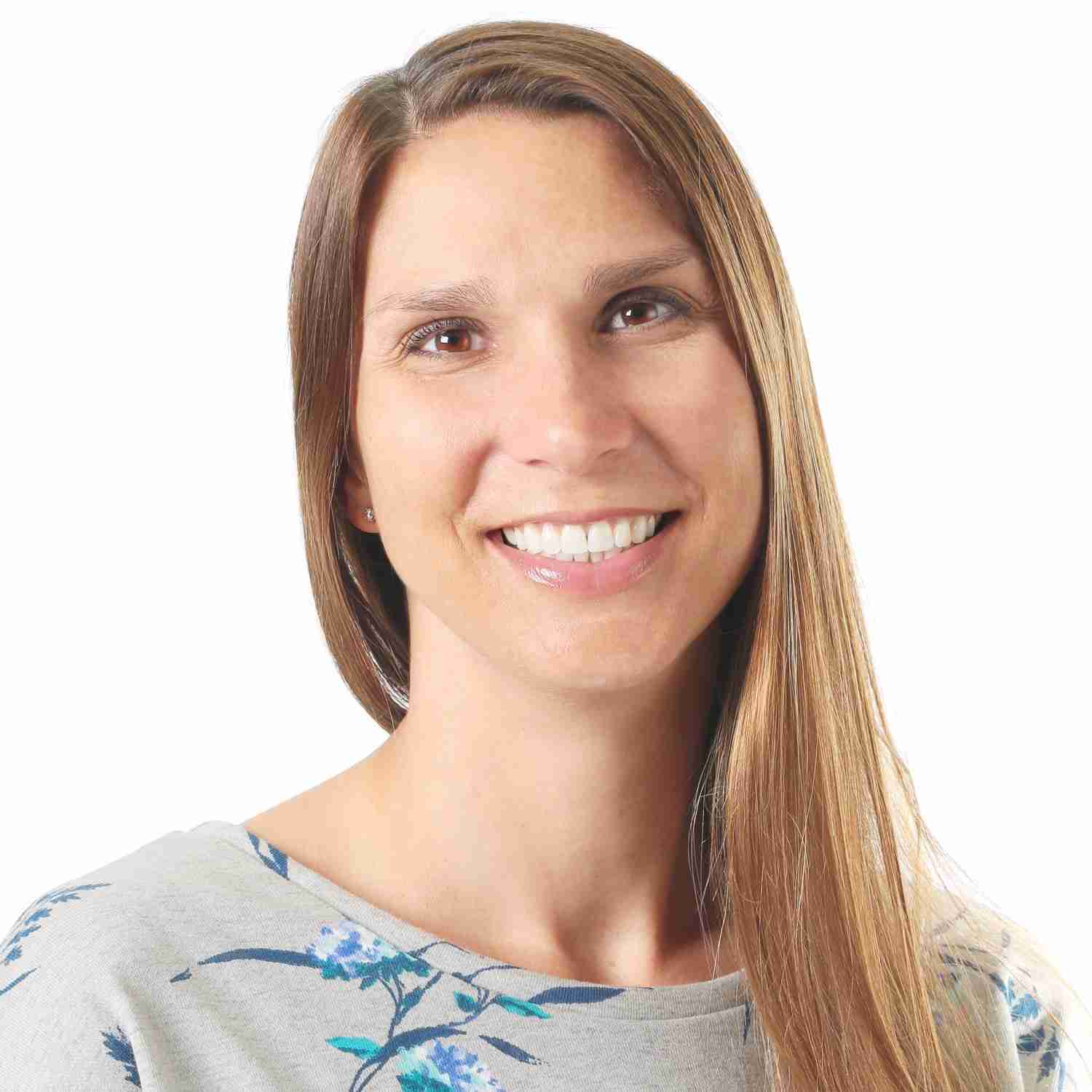
Moderator: Lyndsay Orr
PT MClSc-WH PhD
Learning Objectives
10/24/2026 10:45
to10/24/2026 12:15
to10/24/2026 12:45
to_1788282161276.jpeg)
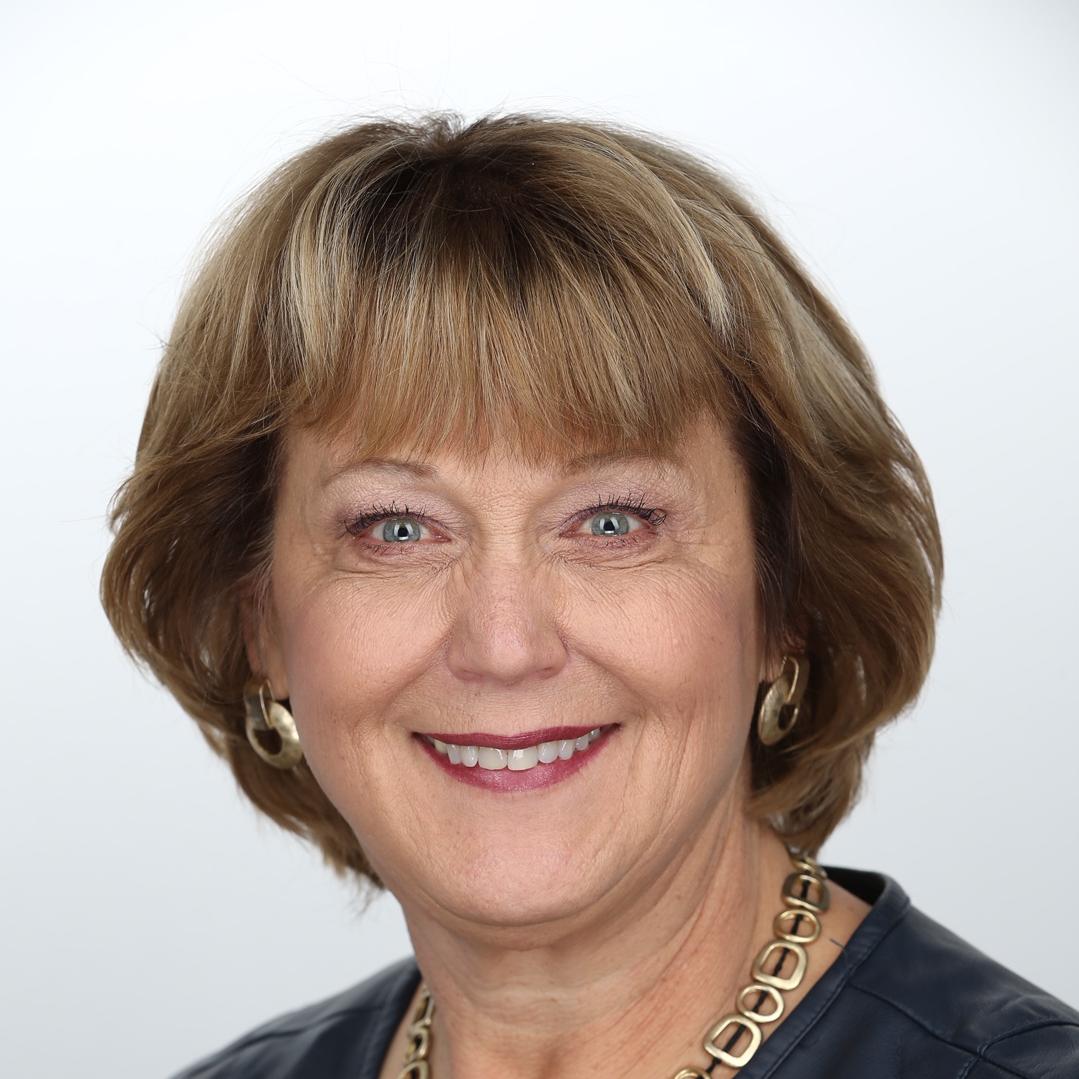
Kristen Oliver
BBA BScN RN-AP NSWOC WOCC(C)
Moderator: Cindy Miller
Learning Objectives:
1) Identify appropriate wound types, sizes, and care settings where V.A.C.® Peel and Place Dressing may support effective wound management.
2) Assess the versatility of V.A.C.® Peel and Place Dressing across various anatomical locations through live model demonstrations, including application and patient mobility.
3) Describe how simplified application and extended wear time may help reduce dressing-change time, treatment burden, and patient discomfort.
4) Discuss how V.A.C.® Peel and Place Dressing may support continuity of NPWT across acute and post-acute care settings.
5) Evaluate patient cases to determine when V.A.C.® Peel and Place Dressing may offer practical and economic value.
10/24/2026 13:50
to
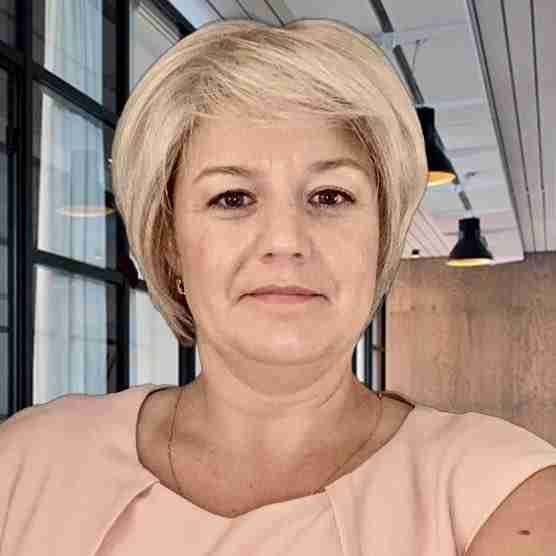
Irmajean Bajnok
RN BScN MScN PhD FCAN FAAN
Moderator: Crystal McCallum
MCISc-WH BScN RN
John Hwang
MD MSc FRCSC
Learning Objectives
10/24/2026 14:40
to
Jérôme Patry
DPM MD CCMF MSc
10/24/2026 14:55
to
Kaylem Boileau
RD HBSc BASc MHSc IIWCC-CAN
Paul Bunce
MA MD FRCPC
Sheena Fortuna
RN MN NP-PHC
Deirdre Drombolis-O'Sullivan
BScPT MClSc (Wound Healing)
Moderator: Robyn Evans
BSc, MD, CCFP, FCFP
Learning Objectives
10/24/2026 15:55
to
Irmajean Bajnok
RN BScN MScN PhD FCAN FAAN
Learning Objectives
This workshop is for Nurse Practitioners or Physicians only and is part of the Wounds Canada National Fall Conference program. To participate in this session, you must have MD or NP qualifications and be registered for the conference.
No additional fee is required but you must be registered in person for the Conference. See link in the upper menu to register.
Maximum capacity of the workshop is 50.
Learning Objectives
Register here to secure your spot:
Electrical Stimulation Therapy (E-Stim) to Promote Healing of Complex Wounds
Electrical Stimulation Therapy (E-Stim) to promote healing of complex, hard-to-heal wounds
E-Stim is an evidence-informed, publicly-funded, advanced wound care practice that involves applying low levels of specialized electrical current directly to the wound area to accelerate wound healing processes. This interprofessional, hands-on clinical skills workshop is designed for nurses, physicians, chiropodists, and physical therapists with experience in wound care, who are interested in gaining the knowledge, skills, and judgments needed to use E-Stim on hard-to-heal wounds.
This hands-on, interactive, clinical workshop will focus on application techniques and the proper use of equipment and supplies to deliver E-Stim directly to the wound area. It will allow participants to apply background knowledge and clinical research evidence so they appreciate when, why and how to use E-Stim to promote wound closure. Case studies and other exercises will promote advanced clinical decision-making skills needed to identify individuals who are most likely to benefit from E-Stim, and to design a customized E-Stim program that is safe, effective, and feasible.
No additional fee is required but you must be registered in person for the Conference. See link in the upper menu to register.
Pre-requisite required.
Registration is on a first-come, first-served basis.
Maximum capacity of the workshop is 40.
Learning Objectives
Register here to secure your spot.
Dressings for Success Workshop
This workshop is part of the Wounds Canada National Fall Conference program and you must be registered in person for the conference to attend. See link in the upper menu.
No additional fee is required.
Maximum capacity of the workshop is 70.
Learning Objectives
Register here to secure your spot:
Wound Debridement: The How, The When and The Why
This workshop is part of the Wounds Canada National Fall Conference program and you must be registered in person for the conference to attend. See link in the upper menu.
Pre-requisite required: Best Practice Approach to Skin Health and Wound Management: Knowledge(A100MNN), SHARP, WCCP, IIWCC, SWAN, NSWOCC or Master’s in Wound Healing
No additional fee is required.
Maximum capacity of the workshop is 50.
Learning Objectives
Register here to secure your spot:
Built for Better Flow: Practical Skills in Lymphedema Management
This workshop is part of the Wounds Canada National Fall Conference program and you must be registered in person for the conference to attend. See link in the upper menu. This highly interactive session will apply selected participants' case studies for discussion.
No additional fee is required.
Maximum capacity of the workshop is 70.
Learning Objectives
Register here to secure your spot and submit your case study!:
DISCLAIMER: As a participant at this hybrid conference, you acknowledge and agree that Wounds Canada does not endorse the information, products or services shared by presenters and sponsors. Health-care recommendations are strictly for discussion purposes and individuals should seek consultation with their respective health-care professionals. Wounds Canada has the right to make changes to the agenda, presenters, and schedules without further notice.


Conference Testimonials
Happy 30th Anniversary Wounds Canada! I wish I have known about you earlier in my career. I'm glad and so grateful that I'm able to attend this year's conference. I have learned so much and will definitely learn more in the future.
Honestly, this conference has always been delivering the best topic discussions revolving wound care and the fact that I can do this virtually on maternity leave is amazing.
Thank you!
Case studies and wound dressing pearls always give the best real-life examples that are readily applicable in my practice. Different scenarios, different type of wounds and discussions with experienced health professionals definitely help [me] understand what works effectively.
Presenters sharing their experiences with the patients and the system. It was a great opportunity to learn and to start my individual journey with my local community and team.
I found the Poster Café sessions to be particularly valuable. The interactive format allowed for rich, meaningful conversations with experts, and it was incredibly insightful to learn from their lived experiences in wound care. These discussions provided practical takeaways and new perspectives that I can apply in my role as a nurse educator to support staff development andimprove patient care.
I loved Day 1 where there were case studies and the presenters showed how each product helped with healing different types/stages of wounds.